Ballerina Line: A Designer’s Review for Craft Fair Success
As an embroidery designer who has spent countless weekends behind a booth table, I know that not every design translates into a bestseller. Some look fantastic on a screen but fall flat in person. Others are too complex to produce in bulk. When I first loaded the Ballerina Line machine embroidery design onto my hoop, I was looking for that specific spark—the kind of visual appeal that stops a browser in their tracks at a busy handmade market. This review is written from the perspective of a creator preparing for a weekend craft fair, evaluating whether this design earns its place on my sample rack.
First Impressions and Aesthetic Appeal
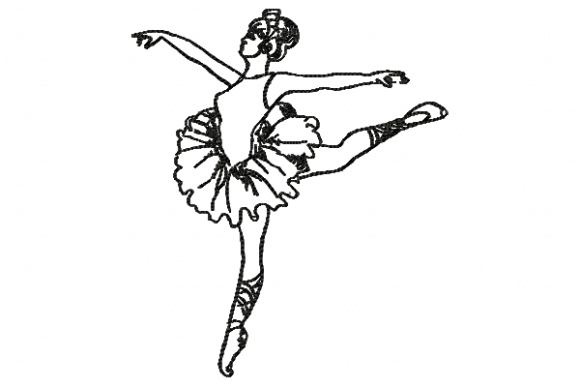
The title alone suggests elegance, but the execution is what matters. Ballerina line embroidery brings a sense of grace and movement that fits perfectly within the Dance category. My immediate impression was that this design feels both delicate and modern. It does not scream for attention with loud colors or excessive density; instead, it offers a refined, minimalist charm. This makes it incredibly versatile. It is not overly childish, which is a common pitfall with dance-themed motifs, nor is it so abstract that customers cannot identify the subject instantly.
For a small shop product, clarity is king. At a glance, a customer walking past my booth needs to understand what they are looking at. Ballerina Line achieves this balance. It feels premium rather than novelty, which allows me to price the finished product higher than a standard cute graphic. Whether stitched on a neutral linen or a vibrant cotton, the lines hold their integrity, offering a soft yet defined silhouette that appeals to parents, dancers, and gift-givers alike.
Product Versatility for the Handmade Market
When planning my inventory, I always ask: where does this design shine? For Ballerina Line, the answer is nearly everywhere, but some surfaces offer better ROI than others. Here is how I envision using this embroidery file across my product line:
- Tote Bag Design: This is arguably the strongest candidate. A canvas tote with a centered Ballerina Line motif sells well because it is practical and stylish. The design scales beautifully to a medium size, acting as a focal point without overwhelming the bag.
- Apron Embroidery: For dance moms or teachers, an apron with this design is a thoughtful gift. The linear nature of the artwork complements the flat surface of an apron bib perfectly.
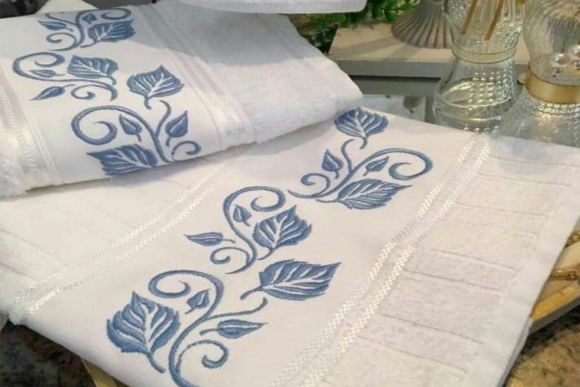
- Tea Towel Embroidery: Kitchen textiles are high-volume sellers. However, one must be cautious with fabric texture. A smooth waffle weave works best, while thick, looped terry cloth might distort the fine lines of the ballerina.
- Embroidered Patch: Creating iron-on patches is a great way to use up scrap fabric. This design works well as a patch because the outline remains clear even when cut close to the stitch edge.
- Caps and Hats: While possible, curved surfaces require careful hooping. The design should be kept smaller here to avoid distortion on the front panel of a cap.
For Etsy sellers and digital sellers, this design also serves as excellent content for printable mockup listings. Showing the design on various items helps customers visualize the end result, increasing conversion rates for the digital embroidery file itself.
Production Practicality and Batch Efficiency
From a business standpoint, time is money. A craft fair product must be reproducible. I appreciate that Ballerina Line appears to have a balanced stitch density. It is not so dense that it creates a stiff, cardboard-like feel on lightweight fabrics, nor is it so sparse that the background fabric shows through awkwardly. This balance is crucial for maintaining a high-quality handmade product feel.
Batch production is easier when the design does not require constant thread changes or complex trimming. If the design uses standard thread colors, I can run multiple hoops in succession. This efficiency allows me to stock up on bestsellers like pillow covers and market bags before the rush of the holiday season. Furthermore, because the design is elegant rather than trendy, it has a longer shelf life. I do not have to worry about it looking outdated next year, making it a safe investment for my design assets library.
Careful-Use Notes for Professional Results
Even the best designs have limitations. To ensure every finished product meets professional standards, consider these technical factors:
- Fabric Texture: Avoid highly textured fabrics like heavy bouclé or rough burlap. The fine details of Ballerina Line may get lost or appear jagged. Smooth cotton, linen, or polyester blends yield the crispest results.
- Stitch Density and Stabilizer: Always test on scrap fabric first. Use a cut-away stabilizer for stretchy fabrics like jersey knits to prevent puckering. For woven fabrics like tote bags, a tear-away may suffice, but a light cut-away ensures longevity after washing.
- Dark Fabric Challenges: If stitching on dark navy or black, ensure the thread colors have enough contrast. Light pastels or metallic threads can make the design pop, whereas dark threads will render it invisible.
- Size Constraints: Do not shrink this design too small. Intricate lines can merge if the hoop size is reduced significantly. Check the minimum recommended size in the file details to maintain clarity.
Enhancing Brand Consistency and Buyer Engagement
Using Ballerina Line consistently across my brand materials helps build recognition. When a customer sees the same elegant aesthetic on a tea towel, a tote, and a social media post, it reinforces the quality of my small shop product. This consistency builds trust. Moreover, dance-themed items often evoke emotional connections. Parents buying for their children or adults buying for themselves are looking for something that celebrates passion and discipline. This design taps into that emotion without being kitschy.
To maximize engagement, photograph the embroidered items in natural light. Show the texture of the stitches close-up. For online listings, include a printable mockup alongside real photos to show scale. Highlighting the commercial embroidery potential of this design can also attract other makers who purchase digital files for their own businesses.
Final Designer Recommendations
Before launching Ballerina Line into your product lineup, take these final steps. First, confirm the commercial licensing terms. Ensure you have the right to sell finished products made with this digital embroidery file. Second, check the included hoop sizes and file formats to match your machine’s capabilities. Third, create at least one real mockup on your intended primary product, such as a tote bag or apron, to judge the visual weight.
In conclusion, Ballerina Line is a strong contender for any embroidery business owner focusing on quality and elegance. It bridges the gap between cute and sophisticated, making it appealing to a wide demographic. With proper attention to stabilizer choice and fabric selection, it can become a staple in your craft fair booth, driving sales and enhancing your brand’s reputation for beautiful, durable handmade goods.