Cute Girl Wearing a Beret: A Designer’s Review
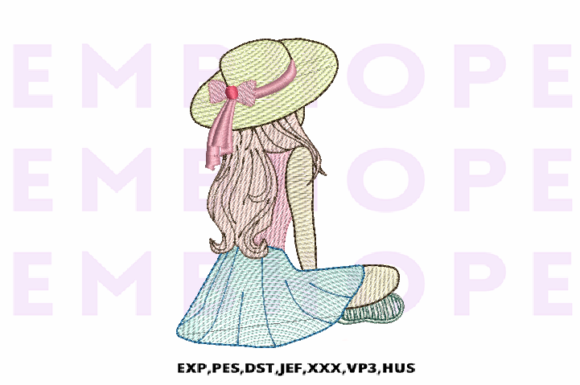
As an embroidery designer who has spent years digitizing files for small businesses, I approach every new machine embroidery design with a critical eye. It is not just about whether the image looks pretty on a screen; it is about how it translates to fabric, how it holds up in production, and how it serves the brand identity of the client using it. Recently, I reviewed the Cute Girl Wearing a Beret design, and I want to share my professional perspective on how this asset performs in real-world commercial applications.
The first impression of this design is undeniably friendly and playful. In the world of Beauty and lifestyle branding, tone is everything. This piece does not scream luxury minimalism or corporate rigidity. Instead, it offers a warm, approachable aesthetic that feels handmade and personal. For boutique owners, Etsy sellers, and creative studios, this visual personality can be a powerful tool for customer engagement. It suggests a brand that cares about charm and character, making it an excellent choice for businesses that want to appear accessible and joyful.
Real-World Applications for Small Business Merch
When evaluating a digital embroidery file for business use, I always ask: where does this actually live? The Cute Girl Wearing a Beret is versatile, but it shines brightest in specific contexts. Here is how I envision this design working across various product lines:
- Embroidered Patches: This is perhaps the strongest use case. A patch allows for high visibility without committing to permanent embroidery on expensive garments. It works beautifully on denim jackets, canvas bags, or even as a collectible item for fans of your brand.
- Staff Uniforms and Aprons: For cafés, bakeries, or florists, apron embroidery adds a layer of professionalism and team unity. Placing this design on the chest pocket or lower corner of an apron creates a signature look that customers will recognize.
- Cap Embroidery: A small version of this design on the front panel of a baseball cap or beret-style hat can serve as a subtle brand mark. However, placement is key here, which I will discuss later.
- Tote Bag Design: Canvas totes are a staple for handmade brands. This playful accent fits perfectly on a tote, turning a simple bag into a walking advertisement for your shop.
- Children’s Clothing: As noted in the product description, stitching this adorable embroidery on children’s clothing is a natural fit. The playful theme resonates with parents looking for unique, non-mass-produced items for their little ones.
Technical Considerations for Production
While the aesthetic appeal is strong, a professional embroiderer must look beyond the surface. The success of any commercial embroidery project depends on technical execution. Here are the critical factors I considered when reviewing this design for production readiness.
Fabric Texture and Stabilizer Choice
The description mentions that this design adds a friendly accent to any fabric, but experienced designers know that "any fabric" is a generalization. Fabric texture plays a massive role in the final outcome. On smooth cotton or poly-blends, the details of the girl’s face and beret will likely render clearly. However, on textured materials like terry cloth or heavy wool, fine details may get lost. I strongly recommend testing the design on your specific material before running a full batch. Additionally, choosing the right stabilizer is non-negotiable. For stretchy fabrics used in children’s clothing, a cut-away stabilizer might be necessary to prevent distortion, whereas a tear-away could suffice for stable woven fabrics like tote bags.
Stitch Density and Detail Retention
One common issue with character-based designs is stitch density. If the digits have packed too many stitches into a small area, the thread can bunch up, causing puckering or thread breaks. Conversely, if the density is too low, the fabric may show through, ruining the visual impact. When using Cute Girl Wearing a Beret, inspect the stitch count relative to the hoop size you intend to use. If you are scaling the design down for a small patch or a cap front, ensure that the facial features remain distinct. If the design becomes a blob of thread at smaller sizes, it may need to be simplified or reserved for larger applications like back-of-jacket embroidery.
Thread Colors and Contrast
The vibrancy of this design relies heavily on thread colors. Since the subject is a girl wearing a beret, you likely have distinct color zones for the hair, skin, hat, and background. When producing custom apparel, consider how these colors contrast with the garment color. A light-colored design on a dark uniform requires careful planning. You may need to add an underlay or adjust the thread palette to ensure the design pops. Always create a printable mockup to visualize the color interaction before hooping the first piece.
Strategic Branding and Identity
Beyond the technical specs, we must consider how this design affects brand identity. For a small business, consistency is trust. If your brand voice is whimsical, artistic, or community-focused, Cute Girl Wearing a Beret reinforces that message every time a customer sees it on a bag or shirt. It transforms a generic product into a branded asset. However, if your brand aims for ultra-modern, stark minimalism, this design might clash. Know your audience. For handmade product sellers, this type of imagery signals care and creativity, which can justify a higher price point and foster deeper buyer engagement.
Practical Designer Notes for Implementation
Before you purchase or produce this embroidery file, follow these steps to ensure a successful launch:
- Test in Black and White: Convert the design to monochrome in your software to check for clarity. If the shapes are indistinguishable without color, the design may rely too heavily on shading rather than structure.
- Check Scale Limits: Determine the minimum viable size. Can it be read at 2 inches wide? If not, restrict its use to larger items like tote bags or aprons.
- Verify Commercial Licensing: The product description hints at quality but does not explicitly state license terms. Always confirm that the design assets come with a commercial use license if you plan to sell the finished products. Never assume rights.
- Review Hoop Size Compatibility: Ensure the design fits within your machine’s standard hoops without excessive resizing that could distort the aspect ratio.
- Create Client Mockups: If you are doing this for a client, present a realistic printable mockup showing the design on their specific garment color. This manages expectations and reduces revision requests.
In conclusion, Cute Girl Wearing a Beret is a charming addition to the Beauty and lifestyle Embroidery market. It offers significant potential for small business merch, provided it is applied with technical precision and strategic intent. By respecting the limitations of fabric and stitch density, and by aligning the design with your brand’s core values, you can turn this digital file into a tangible asset that drives recognition and sales. Always prioritize quality control, test thoroughly, and let the playful nature of the design enhance, not overshadow, your professional presentation.