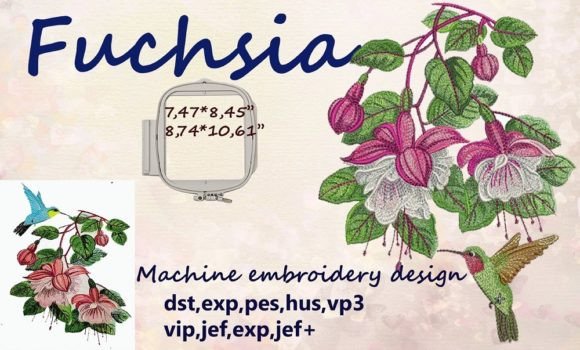
Fuchsia Embroidery: A Designer’s Review
As an embroidery designer who spends countless hours digitizing and stitching, I am always on the lookout for designs that balance aesthetic beauty with technical reliability. Recently, I explored Fuchsia, a floral design available through Creative Fabrica embroidery collections. My goal was not just to admire the artwork, but to evaluate its potential for real-world commercial use. Whether you are an Etsy seller, a boutique owner, or a hobbyist looking to elevate your handmade products, understanding how a digital embroidery file performs under the needle is crucial.
First Impressions and Visual Appeal
The first thing that strikes you about Fuchsia is its luxurious and modern accent. It does not feel like a generic, mass-produced clipart conversion. Instead, it carries a sense of deliberate artistry. The design belongs to the Bouquets category, yet it stands out due to its sophisticated composition. For designers, this means the visual mood is versatile enough to fit both high-end apparel and cozy home decor.
The detail level suggests a careful approach to stitch placement. When I reviewed the preview images, I noticed a harmonious blend of textures. This is essential for creating depth in a finished product. A flat design often looks cheap on fabric, but Fuchsia appears to utilize varied stitch types to create dimension. This decorative appeal makes it a strong candidate for items where visual impact drives sales, such as custom apparel or statement home accessories.
Practical Applications for Commercial Projects
When considering a new machine embroidery design, I always ask: where does this belong? Based on the description, Fuchsia is recommended for dresses, skirts, blouses, decorative pillows, and curtains. However, from a small business perspective, we can expand this list significantly. Here is how I envision using this design in a commercial workflow:
- Custom Apparel: The modern aesthetic fits perfectly on linen blouses or denim jackets. It adds value without overwhelming the garment.
- Home Decor: Decorative pillows and curtains benefit from the luxurious feel. A single well-placed motif can turn a basic cushion cover into a boutique item.
- Handmade Gifts: For personalized gift shops, this design works beautifully on tote bags and kitchen towels, offering a touch of elegance that buyers appreciate.
- Boutique Merchandise: If you sell at craft fairs, having a cohesive look is key. Fuchsia can serve as a signature element across different product lines, ensuring brand consistency.
The versatility of this embroidery file allows it to transition seamlessly between seasons. It is not strictly tied to a specific holiday, which means you can keep it in your active catalog year-round. This is a significant advantage for digital embroidery file sellers and physical product creators alike.
Technical Considerations and Stitching Performance
A pretty preview does not always guarantee a smooth stitching experience. As an experienced designer, I look closely at stitch density and structure. While specific technical data like stitch count or exact hoop size requirements are not provided in the brief description, there are general principles we must apply when working with floral designs like Fuchsia.
Fabric Selection Matters
The product note mentions it looks best on medium-weight fabrics. This is a critical insight. Lightweight, stretchy fabrics may pucker if the stitch density is too high, while very heavy fabrics might not support the fine details. I recommend testing on stable cottons, linens, or canvas first. If you plan to use it on a sweatshirt or a textured fabric, ensure you use an appropriate cut-away stabilizer to prevent distortion.
Hoop Size and Placement
Before committing to a large production run, confirm the hoop size required for Fuchsia. Floral bouquets often require a medium to large hoop to capture the full spread of the petals and leaves. If you are working with smaller items like caps or embroidered patches, check if the design can be scaled down without losing integrity. Tiny lettering or fine satin stitch details can become lost if the design is reduced too much.
Thread Color Contrast
The success of any fill stitch or running stitch design depends heavily on thread choice. Fuchsia likely relies on subtle gradients to achieve its luxurious look. When stitching on dark fabric, you may need to adjust the thread colors to ensure the design pops. Conversely, on light fabric, avoid threads that are too pale, or the details will vanish. Always create a printable mockup or stitch out a test sample on scrap fabric to verify color contrast before starting the final piece.
Enhancing Product Value and Buyer Trust
In the world of handmade products, presentation is everything. Using a high-quality design like Fuchsia can significantly enhance the perceived value of your work. Customers are increasingly discerning; they can spot poor digitization or messy stitching from a mile away. A clean, well-executed embroidery project builds buyer trust.
For Etsy sellers and creative entrepreneurs, this translates to better customer engagement. When your product photography showcases crisp satin stitch edges and balanced fill stitches, it signals professionalism. This attention to detail encourages higher price points and repeat business. Furthermore, using a distinctive design helps differentiate your shop from competitors who rely on free or low-quality assets.
Consider the giftability factor. A tote bag design or a baby blanket featuring Fuchsia feels thoughtful and curated. It moves beyond a simple commodity and becomes a cherished item. This emotional connection is what drives positive reviews and word-of-mouth marketing for small business owners.
Final Recommendations for Designers
Before you download and start stitching, take a moment to review the specific file details on the Creative Fabrica product page. Check the included formats to ensure compatibility with your embroidery machine. Verify the license terms, especially if you plan to use the design for commercial embroidery products. Most Creative Fabrica embroidery licenses allow for the sale of finished physical items, but it is always wise to double-check.
Here is a quick checklist for integrating Fuchsia into your workflow:
- Test on Scrap Fabric: Never skip this step. Check for puckering, thread breaks, or registration issues.
- Review Stabilizer Needs: Match your stabilizer to the fabric weight and stitch density.
- Inspect Small Details: After stitching, examine the fine lines. Are they clean? Do they pull?
- Compare Mockups: Visualize the design on both light and dark backgrounds to plan your thread palette.
- Confirm Licensing: Ensure your intended use aligns with the seller’s terms for commercial sales.
In conclusion, Fuchsia offers a promising blend of modern style and classic floral elegance. For embroidery designers and crafters, it represents a valuable asset that can elevate a range of products from custom apparel to home decor. By approaching it with technical care and creative vision, you can transform this digital embroidery file into a standout finished product that resonates with your customers. Whether you are creating a one-off personalized gift or stocking your online shop, this design deserves a place in your library.