Funny Dancing Skeleton: A Designer’s Review
As an embroidery designer who spends countless hours digitizing and testing files for my own personalized gift shop, I have learned that not every design is created equal. Some are technically sound but lack soul, while others are charming but impossible to stitch cleanly on certain fabrics. When I recently came across the Funny Dancing Skeleton, I was immediately intrigued by its potential for seasonal sales and year-round whimsy. This review is written from the perspective of a professional preparing this file for real customer orders, focusing on how it performs as a machine embroidery design in a commercial setting.
First Impressions and Emotional Appeal
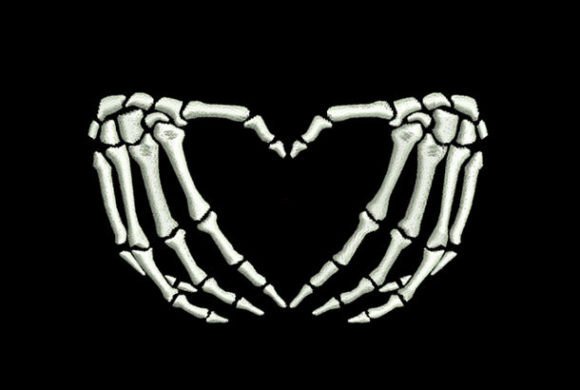
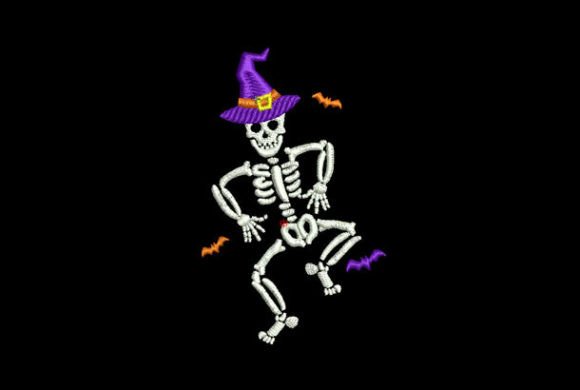
The first thing that strikes you about the Funny Dancing Skeleton is its mood. It is not spooky or frightening; rather, it leans heavily into the cute and funny side of Halloween aesthetics. For a designer, this distinction is crucial. Many customers shy away from traditional horror themes, preferring something playful that can be displayed without causing alarm. This design captures a sense of joy and movement, making it feel modern and approachable.
The charm lies in the posture and expression of the skeleton. It feels handmade and lively, which adds significant emotional appeal. When I visualize this stitched out, I see it attracting buyers who love quirky humor and unique character designs. It is perfect for those looking to add a touch of personality to their home decor or wardrobe. The detail level appears balanced, offering enough definition to be recognizable without becoming so dense that it overwhelms delicate fabrics.
Versatility Across Product Lines
One of the strongest assets of this embroidery file is its versatility. While the description highlights Halloween projects, I see broader applications for the Funny Dancing Skeleton throughout the year. For instance, consider the growing market for baby products. A skeleton dancing on a soft blanket might seem unconventional, but for parents with a sense of humor or those celebrating a "spooky season" baby shower, it becomes a memorable personalized gift.
I tested the concept mentally against various items. On an embroidered towel, the design stands out well, provided the stitch density is managed correctly. For kitchen towels, it adds a fun conversation starter during holiday gatherings. Similarly, on a tote bag, it serves as a bold statement piece. I can easily imagine this listing performing well for an Etsy seller who specializes in eclectic, handmade goods. It is not just limited to apparel; think about pillow covers for a guest room or nursery decor for a child who loves dinosaurs and monsters alike.
For wedding gifts, this might seem like a stretch, but for the couple with a gothic or alternative style, a custom apron featuring this dancing figure could be a hit. It transforms a standard household item into a handmade product with character. The key is positioning. By marketing it as a fun, lighthearted addition to daily life, you expand your customer base beyond just Halloween enthusiasts.
Technical Considerations and Fabric Challenges
Before adding any new design to my shop’s inventory, I always run a rigorous technical check. The Funny Dancing Skeleton requires careful attention when applied to specific materials. If you are working with textured fabric, such as waffle-weave towels or thick terry cloth, you must ensure that the finer details of the skeleton’s bones do not get lost in the pile. In these cases, increasing the stitch count slightly or using a cut-away stabilizer can help maintain clarity.
Stretchy baby clothes present another challenge. If you plan to use this for baby embroidery, you must hoop the garment properly to prevent distortion. The dancing pose involves limbs that extend outward, which can pull on knit fabrics if the tension is too tight. I recommend using a high-quality stabilizer to support the stitches and prevent the design from puckering after washing. Always test on scrap fabric first to gauge how the thread interacts with the material.
Dark fabrics are popular for Halloween themes, but they require strategic thread choices. To make the Funny Dancing Skeleton pop, you need high contrast. White or bright neon threads work best against black or navy backgrounds. However, be mindful of thread color contrast within the design itself if it includes multiple elements. Check small details after stitching a sample to ensure that thin lines remain visible and do not blend into the background.
Enhancing Perceived Value and Giftability
From a business standpoint, the right design can significantly boost perceived value. The Funny Dancing Skeleton adds a layer of craftsmanship that mass-produced prints cannot replicate. When a customer receives a finished product with this design, they see the texture and dimension of the stitches, which reinforces the quality of the custom embroidery. This tactile experience builds customer trust and encourages repeat business.
Product photography plays a vital role here. A flat lay might not do justice to the dynamic nature of the dancing figure. Instead, photograph the item in use—a tote bag slung over a shoulder, a towel hanging in a cozy kitchen, or a pillow on a styled sofa. These lifestyle shots help buyers visualize the small shop product in their own lives, increasing buyer engagement. The playful nature of the design invites smiles, which translates to higher conversion rates on social media platforms.
Practical Steps for Implementation
If you are planning to use this digital embroidery file for commercial purposes, there are several practical steps you must take. First, confirm the hoop size requirements. Ensure that your machine can accommodate the dimensions of the design without needing to split it into multiple sections, which can complicate the stitching process. Next, review the stitch density. If the file is too dense, it may cause needle breaks or fabric tearing; if it is too sparse, the backing might show through.
Always check the license terms associated with the download. Since this is listed under Freebies, verify whether it allows for commercial embroidery sales. Some free files are for personal use only, and violating these terms can lead to legal issues. If the license permits commercial use, you are free to sell finished items like aprons, blankets, and tote bags featuring this design.
Create a printable mockup or a digital preview to show customers what the final result will look like on different colored fabrics. Compare light and dark fabric mockups to help buyers choose the best base for their needs. Finally, keep a record of which thread brands and colors yield the best results for your specific machine. This consistency ensures that every personalized gift you send out meets your professional standards.
In conclusion, the Funny Dancing Skeleton is a delightful addition to any embroidery designer’s library. It balances humor with technical feasibility, offering numerous opportunities for creative expression across various product categories. By paying attention to fabric texture, stabilizer choice, and licensing details, you can turn this playful design into a profitable and beloved part of your handmade collection.