Jungle Animal Tiger: A Seasonal Embroidery Review
As an embroidery designer who spends countless hours testing digital files against real-world fabric textures, I approach every new addition to my library with a critical eye. The holiday season is not just about red and green; it is about capturing emotion, warmth, and the specific joy of gift-giving. When I first loaded the Jungle Animal Tiger design into my software, I was looking for more than just a cute image. I was looking for a versatile asset that could anchor a seasonal collection for my small shop. This review breaks down how this Baby Animals themed Embroidery piece performs in practical, commercial applications.
First Impressions and Seasonal Mood
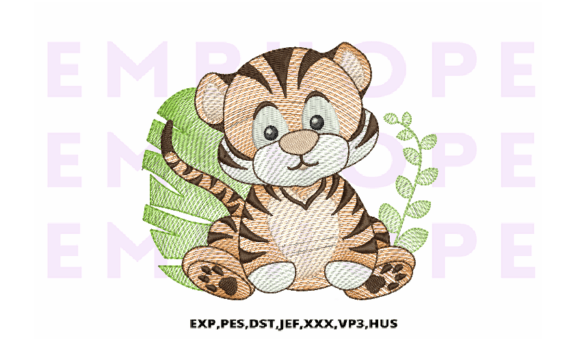
The immediate appeal of the Jungle Animal Tiger lies in its emotional tone. It strikes a balance between playful and cozy, which is essential for winter holiday products. While tigers are often associated with strength, this particular iteration softens the edges, creating a nostalgic and inviting aesthetic. For holiday shoppers, this translates to a sense of comfort. It does not scream "wild"; instead, it whispers "cuddly." This makes it an ideal candidate for items intended to provide warmth during the colder months.
The detail level is moderate, avoiding excessive complexity that might cause thread breaks on high-speed machines, yet retaining enough character to stand out on a finished product. The decorative style feels modern but timeless, ensuring that the item remains relevant beyond a single holiday season. This longevity is crucial for Etsy seller success, as it reduces the risk of unsold inventory after January.
Real-World Holiday Selling Applications
To maximize the potential of this machine embroidery design, I tested it across various product categories. Here is how the Jungle Animal Tiger performs in real selling situations:
- Sweatshirt Embroidery: Placed on the left chest or as a larger back print, this design adds a premium touch to hoodies. The bold lines hold up well against fleece textures, making it a strong contender for family matching sets.
- Tote Bag Design: Canvas bags are huge during the holiday rush for gift wrapping and shopping. The tiger’s distinct stripes create visual recognition from a distance, helping your brand stand out in crowded craft fair displays.
- Kitchen Towel Embroidery: For home decor enthusiasts, stitching this onto linen or cotton towels creates a charming, rustic vibe. It works particularly well for housewarming gifts or hostess presents during holiday parties.
- Pillow Cover Accents: A central placement on a neutral-toned pillow cover transforms a basic home accessory into a statement piece. The cozy aesthetic aligns perfectly with winter interior design trends.
- Embroidered Patch: Creating iron-on patches allows customers to customize their own jackets or backpacks. This increases engagement and offers a lower-price-point entry for budget-conscious shoppers.
When building a small shop product line, consistency is key. Using the Jungle Animal Tiger across these different items creates a cohesive collection that looks professional and curated. It enhances brand consistency and encourages buyers to purchase multiple items as part of a handmade gift bundle.
Technical Considerations and Fabric Challenges
While the design is adorable, practical application requires attention to technical details. As a designer, I must advise caution in specific scenarios to ensure the quality of the finished product.
First, consider the hoop size. If you are working with smaller hoops, such as 4x4 inches, you may need to resize the design. However, shrinking it too much can compromise the integrity of the stripes. Always check the stitch density before resizing. High density on small areas can lead to puckering, especially on lighter fabrics.
Fabric texture plays a significant role. On thick towels or heavy denim, the design pops beautifully. However, on stretchy garments like baby onesies, proper stabilization is non-negotiable. Use a cut-away stabilizer to prevent distortion after washing. Additionally, when stitching on dark fabric, ensure your thread colors have enough contrast. A lack of contrast can make the tiger look muddy rather than defined.
Be cautious with metallic thread. While festive, metallic threads are prone to breaking. If you choose to use gold or silver for a holiday twist, reduce the machine speed and monitor the tension closely. For items that require repeated washing, such as children’s clothing, secure all jump stitches and trim thoroughly to maintain a clean look over time.
Enhancing Buyer Emotion and Product Value
The Jungle Animal Tiger does more than decorate; it influences buyer emotion. During the holiday shopping period, customers are driven by the desire to give meaningful gifts. A personalized gift featuring this tiger feels thoughtful and unique. It elevates the perceived value of the item, allowing for higher price points compared to generic, mass-produced goods.
Visual recognition is another benefit. The distinctive stripes make the design instantly recognizable in social media previews. When creating printable mockup graphics for your online store, ensure the lighting highlights the texture of the stitches. This builds customer trust, as they can see the quality of the digital embroidery file output before purchasing.
For commercial embroidery use, this design supports limited edition apparel drops. By pairing the tiger with seasonal elements like snowflakes or holly in your marketing materials, you create a festive narrative without altering the core design. This flexibility is invaluable for seasonal embroidery campaigns.
Practical Designer Notes for Implementation
Before adding this to your production queue, follow these steps to ensure success:
- Test Thread Colors: Stitch samples on both light and dark fabrics. Traditional orange and black work well, but consider winter palettes like navy and cream for a sophisticated look.
- Check Stitch Density: Review the file in your software. If the density is too high for your specific fabric, adjust the settings to prevent puckering.
- Confirm Hoop Size: Ensure the design fits comfortably within your hoop with adequate margin for stabilization.
- Use Proper Stabilizer: Match the stabilizer to the fabric weight. Tear-away for stable woven fabrics, cut-away for knits and stretchy materials.
- Create Realistic Mockups: Use high-quality photos of stitched samples for your listings. Avoid overly edited images that misrepresent the texture.
- Review Small Details: After stitching, inspect the eyes and stripes. Clean up any loose threads to maintain a premium finish.
- Plan Matching Color Palettes: Coordinate the tiger with complementary colors in your packaging and branding to enhance the overall unboxing experience.
- Confirm Commercial Licensing: Always verify the license terms of the embroidery file before selling finished products. The provided description notes that quality cannot be guaranteed in certain conditions, so understanding your rights and responsibilities is crucial.
In conclusion, the Jungle Animal Tiger is a versatile and emotionally resonant addition to any holiday collection. By understanding its technical requirements and leveraging its aesthetic appeal, you can create high-value products that resonate with customers seeking unique, handmade treasures. Whether for a tote bag design or a cherished baby keepsake, this design delivers both charm and commercial viability.