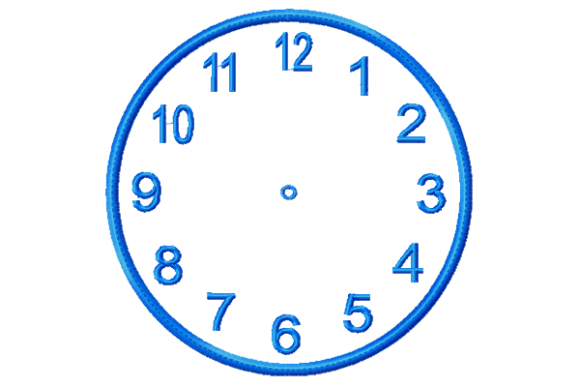
Review: The Clock in the Hoop Design for Makers
As a designer who has spent countless hours staring at digitized files and watching needles punch through fabric, I have developed a keen eye for what works in the real world. We often get swept up in the allure of Freebies, downloading dozens of files without a second thought. However, when I pulled up the Clock in the Hoop design, I paused. This isn’t just another decorative motif; it is a functional piece of Embroidery art that demands careful consideration before it hits your hoop.
The concept is straightforward yet charming: a fully functional clock created entirely within the embroidery hoop. It promises to elevate table runners, home decor, and quilts with a touch of whimsical utility. But does it hold up under the scrutiny of a professional review? Let’s dive into how this machine embroidery design performs in actual production environments.
First Impressions and Visual Personality
The immediate mood of the Clock in the Hoop is one of cozy nostalgia. It feels right at home in a cottage-core aesthetic or a modern farmhouse setting. The layout suggests a balance between decorative flair and readability. For an embroidery project to succeed, especially one that serves a dual purpose as both decor and timepiece, the visual hierarchy must be clear. The design avoids overly complex backgrounds that might distract from the clock hands, which is a smart move for a digital product intended for varied uses.
When I visualize this on a tote bag design or a kitchen towel, the charm is undeniable. It transforms a mundane object into a conversation starter. However, the devil is always in the details. A design that looks crisp on a screen can sometimes lose its definition once thread meets fabric. The key here is understanding how the stitch density interacts with your chosen material.
Real-World Application Scenarios
I recently considered using this design for a custom client order involving a set of personalized kitchen linens. The client wanted something unique for a housewarming gift. The Clock in the Hoop fit the brief perfectly, offering a blend of practicality and handmade warmth. Here is how I see it performing across different categories:
- Home Decor: This is the natural habitat for this design. On table runners and pillow covers, the clock adds a focal point that doesn’t feel forced. It works exceptionally well on quilts where the surrounding fabric provides a calm backdrop.
- Custom Apparel: While possible on aprons, I would hesitate to place this on fitted garments like t-shirts unless the hoop size is small. The structure required for a clock face might feel bulky on stretchy fabrics.
- Holiday Embroidery: Imagine this on a festive tea towel during the holidays. It serves as a reminder of the season’s busy schedule while adding a handcrafted touch to the kitchen.
- Etsy Seller Products: For small shop owners, this design offers high perceived value. A functional embroidered item often commands a higher price point than purely decorative ones, boosting your craft business revenue.
Technical Considerations for Stitching
Before you load this digital embroidery file into your machine, there are critical technical factors to address. Since the description notes that this design comes with specific attributes but leaves some details open, you must verify the file formats and compatibility with your machine. Not all machines read every format, and assuming compatibility can lead to wasted thread and frustration.
Fabric choice is paramount. For a clock face, stability is key. I recommend using a medium-weight cotton or linen with a high-quality cut-away stabilizer. If you attempt this on thin or stretchy fabric without proper support, the clock hands may shift, rendering the time inaccurate and the aesthetic messy. The stabilizer acts as the foundation, ensuring that the satin stitch or fill stitch elements remain crisp and do not pucker the fabric.
Additionally, consider the thread colors. High contrast is essential for readability. If you are stitching on a dark fabric, ensure your clock hands and numbers are in light, bright threads. Conversely, on light fabrics, deep blues or blacks work best. Always test the design on scrap fabric first. This simple step allows you to check the stitch density and adjust tension if necessary. It also helps you identify any potential thread breaks in tight corners.
Navigating Potential Pitfalls
While the Clock in the Hoop is versatile, it is not without its challenges. Small hoop sizes can restrict the detail level, making the numbers difficult to read from a distance. If you are creating a personalized gift for someone with vision issues, opt for a larger hoop size to maintain clarity.
Curved surfaces, such as caps or baby clothes, require extra caution. The rigid nature of a clock face does not conform well to curves. Attempting to stitch this on a baseball cap could result in distortion. Similarly, avoid placing it on areas of high friction, like the knees of children’s pants, as the dense stitching may wear out faster than the surrounding fabric.
For those interested in commercial use, always confirm the licensing terms. Many Freebies come with restrictions on selling finished products. Ensure you have the right to use this design assets in your small shop product line. Ignoring license terms can lead to legal issues and damage your reputation as a professional Etsy seller.
Enhancing Product Value and Brand Consistency
Incorporating the Clock in the Hoop into your product line can significantly enhance brand consistency if your aesthetic leans toward handmade, functional art. It signals to customers that you care about utility and beauty. When photographed correctly, this design makes for stunning printable mockup materials and social media content. It shows the intricacy of your work and the quality of your finished product.
Customer trust is built on reliability. A well-executed clock that actually keeps time (or at least looks like it does accurately) builds confidence in your craftsmanship. It moves beyond being just an applique design or decorative patch; it becomes a functional part of the user’s daily life. This emotional connection can lead to repeat buyers and positive reviews.
Final Verdict for Designers
The Clock in the Hoop is a solid addition to any designer’s library, provided it is used with intention. It shines in home decor and stationary items where stability and visibility are easy to achieve. It requires thoughtful preparation regarding stabilizer, thread contrast, and hoop size. By treating it as a serious commercial embroidery asset rather than a quick fix, you can create standout pieces that resonate with buyers.
Remember to inspect small details, compare light and dark fabric backgrounds, and never skip the test stitch. With these precautions, this design can become a staple in your repertoire of handmade product offerings. Whether for a boutique branding effort or a heartfelt gift, the Clock in the Hoop offers a blend of charm and function that is hard to resist.