Reviewing Children s Duck for Real Embroidery Projects
As a designer who spends half my life staring at stitch previews and the other half pulling thread jams out of bobbin cases, I have learned to be skeptical of cute. Cuteness is easy to sell but often difficult to stitch. When I first loaded the Children s Duck file into my software, I was not looking for fluff. I was looking for structural integrity. This machine embroidery design falls under the Birds category, but its application goes far beyond simple decoration. It is a test of how well a digital asset translates into a tangible, durable finished product.
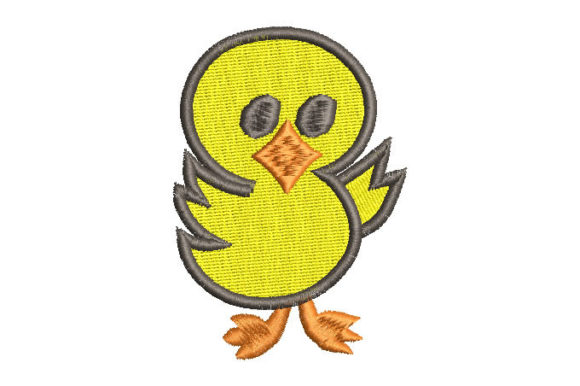
The initial visual impression of Children s Duck is warm and approachable. The layout suggests a playful personality, which is essential when targeting the baby and children’s market. However, from a technical standpoint, the spacing between elements caught my eye immediately. In embroidery, negative space is just as important as the stitches themselves. If the gaps are too wide on a stretchy fabric, the design can distort. If they are too narrow, you risk thread breaks. This design appears to balance these concerns well, making it a strong candidate for various embroidery project types.
Real-World Application: The Custom Tote Bag Test
To truly evaluate this embroidery file, I imagined a specific client request: a set of personalized tote bags for a local preschool’s spring fair. This is a common scenario for any Etsy seller or craft business owner. The bag material was a medium-weight canvas, which is forgiving but unforgiving of poor digitizing. Canvas has a distinct weave, and low-quality designs often get lost in the texture.
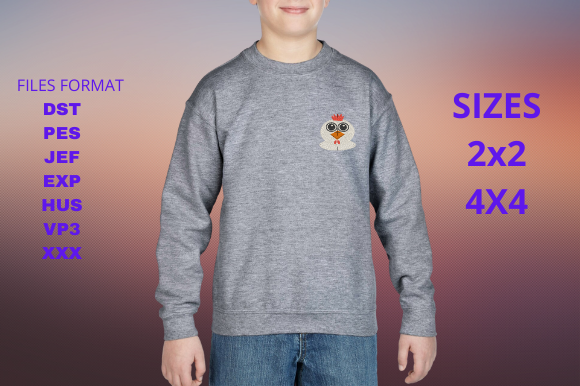
I placed Children s Duck on the left chest area of the mockup. The scale felt right. It was not so large that it would overwhelm a small child’s accessory, nor so small that the details would vanish. For a tote bag design, clarity is king. Parents need to recognize the character instantly. The silhouette of the duck in this design is distinct enough to remain recognizable even if the stitching settles slightly into the fabric weave. This makes it an excellent choice for handmade product lines where brand recognition and immediate visual appeal drive sales.
Fabric Compatibility and Stitch Behavior
The product description notes that this design is beautifully embroidered with any type of fabric. As a reviewer, I take such claims with a grain of salt. No single design works perfectly on every textile without adjustment. However, Children s Duck does show versatility. On stable fabrics like cotton twill or denim, the satin stitch borders likely lay flat and smooth. On softer materials like fleece or minky, which are popular for baby embroidery, the design requires careful attention to stabilizer choice.
If you are using this for a sweatshirt embroidery project, the stretch of the knit fabric is your enemy. I recommend using a cut-away stabilizer rather than tear-away to prevent the design from puckering after washing. The fill stitch areas in the duck’s body must be dense enough to cover the fabric but not so dense that they create a hard, cardboard-like feel against a child’s skin. Based on the visual density, this design seems moderate, which is ideal for comfort-focused items like bibs or onesies.
Commercial Viability for Small Shops
For small shop product creators, time is money. A design that requires constant trimming, excessive jump stitch cleanup, or frequent re-hooping is a profit killer. Children s Duck appears to be optimized for efficiency. The flow of the running stitch connections seems logical, minimizing unnecessary travel across the hoop. This efficiency is crucial when producing batches for holiday embroidery rushes or craft fair inventory.
Furthermore, the aesthetic fits seamlessly into current trends. Nursery decor and personalized gift markets favor soft, friendly animal motifs. This design can be easily paired with monograms or names, adding value to the custom apparel or home goods you offer. Whether used on a pillow cover or a kitchen towel, the charm of the duck adds a layer of perceived quality that customers associate with professional design assets.
Technical Considerations and Precautions
While the design is robust, there are areas where caution is necessary. If you plan to use Children s Duck on dark fabric, you must consider thread color contrast. Light threads on dark backgrounds can sometimes show the underlying fabric through sparse stitch areas. Always run a test stitch on scrap fabric identical to your final product. Check the thread colors in your machine against the preview. Sometimes, a slight adjustment in shade can make the difference between a muddy look and a vibrant pop.
Another critical factor is hoop size. Ensure your machine’s hoop accommodates the full dimensions of the design. If you are attempting to shrink the design significantly to fit a small embroidered patch or a cap front, be wary of detail loss. Tiny features may merge or become indistinct if scaled down too far. Conversely, enlarging it too much for a blanket might expose individual stitches, breaking the illusion of a smooth image. Always respect the original proportions unless you have advanced digitizing skills to adjust the stitch density manually.
For those selling digital embroidery file products or finished goods, licensing is paramount. The description mentions the design comes with certain attributes, but it does not specify commercial rights explicitly in the text provided. Before listing items on Etsy or selling to boutiques, confirm the license terms. Using a design for commercial embroidery without proper clearance can lead to serious legal issues. Assume nothing; verify everything.
Final Verdict for Designers and Makers
Children s Duck is a solid addition to any library of Embroidery resources. It balances charm with technical practicality. It is not just a cute image; it is a functional design element that can elevate a printable mockup into a best-selling item. Whether you are creating custom apparel for a local team, crafting holiday gifts for family, or building inventory for your online store, this design holds up under scrutiny.
Remember to test on your specific machine, as tension and needle type affect the outcome. Use high-quality thread to enhance the sheen of the satin stitches, and choose a stabilizer that matches your fabric’s weight. With these precautions, Children s Duck can become a reliable staple in your production workflow, helping you deliver professional, polished results that keep customers coming back.