Reviewing Geometric Motif for Modern Embroidery
As an embroidery designer who spends countless hours digitizing and testing files, I am always on the lookout for versatile design assets that can elevate a handmade product without requiring hours of complex setup. Recently, I explored Geometric Motif, a free offering from Creative Fabrica, to see if it holds up under the scrutiny of real-world production. For those of us running small businesses or selling on Etsy, finding high-quality Creative Fabrica embroidery files that are both stylish and practical is essential. This review breaks down my experience evaluating this design for potential commercial use.
First Impressions and Visual Appeal
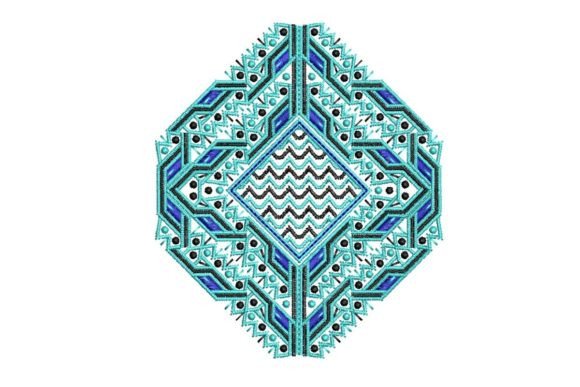
The first thing that strikes you about Geometric Motif is its clean, modern aesthetic. In a market saturated with overly intricate floral patterns, this design offers a refreshing departure with its structured lines and decorative stitch work. The visual mood is sophisticated yet approachable, making it suitable for a wide demographic. It does not scream "novelty"; instead, it whispers "boutique quality."
The style is described as fancy and stylish, and I agree. The combination of geometric shapes with decorative stitching creates a texture that looks expensive when executed correctly. For embroidery designers, this means the file has strong potential for branding. It is not just a pretty picture; it is a functional element that can define the look of a finished product. Whether you are aiming for minimalist chic or bohemian elegance, this motif adapts well to various color palettes and fabric choices.
Practical Applications for Handmade Businesses
When I evaluate a new machine embroidery design, I immediately brainstorm where it fits in my product line. Geometric Motif is incredibly versatile. Here is how I envision using it in real projects:
- Custom Apparel: Placed on the chest pocket of a denim jacket or the hem of a linen shirt, this design adds a subtle touch of luxury. It works beautifully as sweatshirt embroidery, especially when paired with neutral thread colors like slate grey, mustard, or cream.
- Home Decor: The description mentions cushions, and I concur. A large-scale version of this motif would look stunning on a throw pillow cover. It also translates well to kitchen towels, adding a personalized touch to everyday items.
- Accessories: Think about tote bag design. A geometric pattern stands out against canvas or cotton blends. It could also serve as the focal point for an embroidered patch, which is a high-margin item for craft fairs.
- Gift Items: For personalized gifts, this motif serves as an excellent frame for monograms or names. It elevates a simple baby blanket or apron into a heirloom-quality piece.
For Etsy sellers and boutique owners, consistency is key. Using a cohesive design language across your products helps build brand recognition. Geometric Motif provides that consistency because it is distinct enough to be recognizable but simple enough to pair with other elements.
Technical Considerations for Real-World Stitching
While the visual appeal is strong, the technical execution determines whether a design is viable for commercial embroidery. Since specific technical details like stitch count and exact file formats are not provided in the brief description, I advise readers to check the product details on the Creative Fabrica page before downloading. However, based on the visual style, here are some critical factors to consider.
Fabric and Stabilizer Choices
Geometric designs rely on precision. If you are stitching on stretchy fabric, such as jersey knit for t-shirts, proper stabilization is non-negotiable. I recommend using a cut-away stabilizer to prevent distortion over time. For woven fabrics like cotton or linen, a tear-away stabilizer may suffice, but always test on scrap fabric first. The decorative stitches mentioned in the description likely involve a mix of satin stitch and fill stitch techniques. Satin stitches can pull on lightweight fabrics, so ensuring your tension is balanced is crucial.
Hoop Size and Placement
Before committing to a production run, confirm the hoop size required for this design. Geometric patterns often need to be centered perfectly to look intentional. If the design is large, ensure your machine can handle the hoop dimensions. For smaller items like caps or baby bibs, you may need to resize the file. Be cautious when resizing geometric shapes; disproportionate scaling can distort the angles and ruin the aesthetic. Always check the aspect ratio.
Thread Color and Contrast
The impact of Geometric Motif relies heavily on thread colors. On dark fabrics, light metallic or bright pastel threads will make the geometric lines pop. On light fabrics, deep navy or charcoal threads provide a sharp, modern contrast. I suggest creating a printable mockup or digital simulation to test different color combinations before threading up your machine. This saves time and materials, allowing you to present the best options to your customers.
Enhancing Product Value and Buyer Trust
In the world of commercial embroidery, perceived value is everything. A well-executed geometric design signals attention to detail. When customers see clean lines and consistent stitch density, they trust the quality of the entire item. This trust translates into repeat business and positive reviews.
Furthermore, this type of design photographs well. The structured lines create interesting shadows and highlights in product photography, making your listings stand out in search results. For digital product sellers, offering this as part of a bundle or using it in promotional materials can enhance the overall appeal of your shop. It suggests that you are current with design trends and care about aesthetics.
Final Verdict and Best Practices
Geometric Motif is a promising addition to any embroidery designer’s library, especially considering it is available as a freebie. It offers a stylish, modern look that fits seamlessly into various product categories, from home decor to custom apparel. However, success lies in the execution.
- Test Thoroughly: Always stitch out a sample on the actual fabric you intend to use. Check for puckering, thread breaks, or registration issues.
- Verify Licensing: Even though it is a free download, review the license terms on the Creative Fabrica product page. Ensure you are compliant for commercial use if you plan to sell finished items.
- Mind the Details: Inspect small details after stitching. If the decorative stitches are too dense, consider adjusting the stitch density in your software to reduce bulk, especially on garments that will be worn close to the skin.
- Check File Compatibility: Confirm that the digital embroidery file format matches your machine’s requirements (e.g., PES, DST, JEF) before starting your project.
For crafters and creative entrepreneurs looking to add a touch of sophistication to their offerings without significant investment, this design is worth exploring. It bridges the gap between trendy and timeless, offering a reliable foundation for high-quality handmade goods. By paying attention to fabric choice, stabilization, and thread selection, you can transform this simple geometric pattern into a standout feature of your next best-selling product.