Reviewing LGBTQ Embroidery Bundle 5 for Business
As an embroidery designer who has spent years digitizing files and consulting with small business owners, I approach every new asset with a critical eye. It is not just about whether a design looks pretty on a screen; it is about how it performs under the needle, how it wears after washing, and how it elevates a brand’s identity. Recently, I had the opportunity to evaluate LGBTQ Embroidery Bundle 5, a collection that promises to bring vibrant inclusivity to various textile applications. For shop owners, apparel decorators, and handmade brands, understanding the practical utility of this bundle is essential before adding it to your commercial library.
First Impressions and Visual Personality
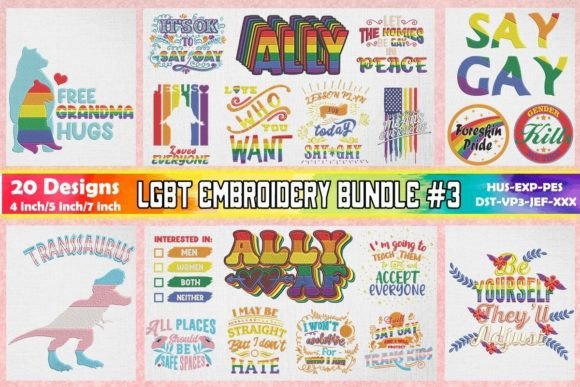
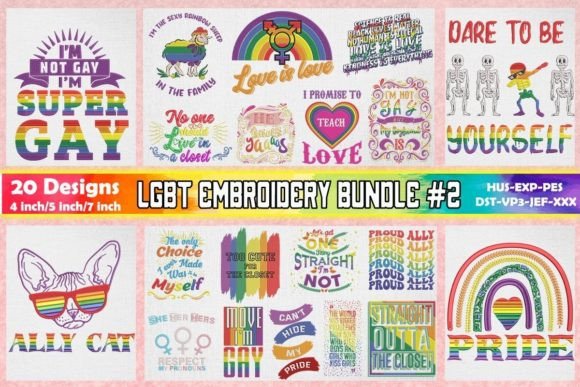
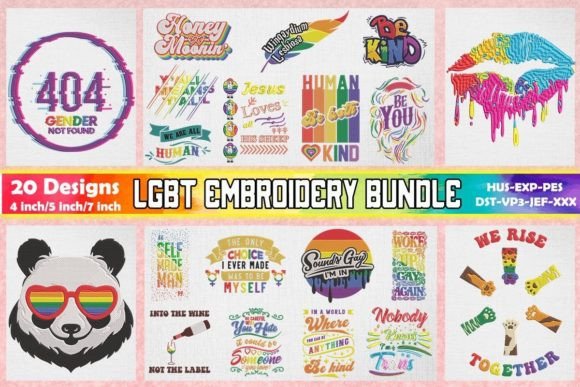
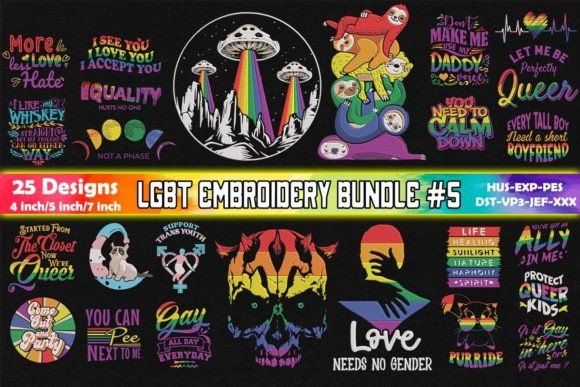
The LGBTQ Embroidery Bundle 5 gathers 25 embroidery designs, offering a substantial volume of content for the price. From a visual standpoint, the collection feels bold, friendly, and modern. It strikes a balance between playful expression and professional presentation, which is crucial for businesses wanting to show support without compromising their aesthetic standards. The variety within the bundle suggests versatility, making it suitable for everything from casual t-shirts to more refined home decor items like scarves and pillows.
For boutique owners and Etsy sellers, the "handmade" feel is often a selling point. These designs appear to complement that narrative, offering a digital embroidery file solution that retains a human touch. However, as with any bundle, the true test lies in the technical execution of individual files. While the description notes that the machine embroidery design comes with multiple embroidery formats, the specific stitch density and underlay structures will vary by design. This diversity is a strength, allowing you to choose lighter fills for delicate fabrics or denser stitches for durable workwear.
Real-World Applications for Small Business Merch
When considering LGBTQ Embroidery Bundle 5 for commercial embroidery projects, the potential applications are vast. Here is how these designs can integrate into your product line:
- Embroidered Patches: This is perhaps the most versatile use case. By stitching these designs onto twill or felt backings, you can create iron-on or sew-on patches. These can be sold as standalone accessories or used to customize denim jackets and tote bags. Patches allow customers to engage with your brand identity in a modular way.
- Staff Uniforms and Aprons: Cafés, bakeries, and creative studios often look for ways to signal inclusivity. Adding a small, tasteful design from this bundle to the chest pocket of an apron or the sleeve of a work shirt can enhance customer trust and staff morale. It signals that the business is welcoming and aligned with modern values.
- Cap Embroidery: Headwear is a high-margin item for many small businesses. Designs from this bundle can work well on cap fronts, provided the scale is adjusted correctly. A simplified version of a design often works best here to avoid distortion on the curved surface.
- Tote Bag Design: Reusable bags are a staple for retail shops. Embroidering a vibrant design from this bundle onto canvas totes adds significant perceived value compared to printed alternatives. The texture of the thread against the fabric creates a premium, tactile experience.
- Home Decor and Gifts: As mentioned in the product description, these designs complement home decor. Think embroidered throw pillows or wall hangings for local boutiques. They also serve as excellent customer gifts, adding a personal touch to packaging.
Technical Considerations and Placement Strategy
While LGBTQ Embroidery Bundle 5 offers great aesthetic potential, successful implementation requires technical diligence. Not every design in a 25-piece bundle will be optimized for every application. Here are key areas where you must exercise caution:
Stitch Density and Fabric Texture: Some designs may have higher stitch counts suitable for sturdy cotton or denim but problematic for lightweight silks or thin polyester blends. Always check the stitch density. If a design is too dense, it can cause puckering, especially on textured fabric or unstable materials. Using the correct stabilizer is non-negotiable. For caps, use a stiff buckram; for towels, use a cut-away; for t-shirts, a tear-away or heat-seal stabilizer might suffice depending on the design size.
Small Patch Sizes and Detail: If you plan to use these designs for tiny labels or small chest logos, scrutinize the details. Tiny lettering or intricate outlines can merge together if scaled down too far. Test the smallest intended size on a scrap piece of your actual production fabric. If the details blur, consider simplifying the design or increasing the size.
Dark Uniforms and Thread Colors: Vibrant rainbow or pride-themed colors pop beautifully on white or light garments. However, on dark uniforms or black tote bags, you may need to adjust thread colors for contrast or add a satin stitch border to define the shape. Always run a test stitch-out to ensure the thread colors interact well with your base material.
Enhancing Brand Identity and Customer Trust
In today’s market, brand identity extends beyond logos and color palettes; it includes values and community engagement. Using LGBTQ Embroidery Bundle 5 allows small business merch to communicate inclusivity authentically. When customers see thoughtful, high-quality embroidery rather than cheap prints, it reinforces the perception of a premium, handmade product. This attention to detail builds recognition and loyalty.
Furthermore, consistent use of these design assets across different touchpoints—such as matching apron embroidery with tote bag designs—creates visual consistency. This professionalism helps differentiate your brand in crowded marketplaces like Etsy or local craft fairs. It shows that you care about the finished product and the message it carries.
Practical Designer Notes for Production
Before launching any new product line featuring LGBTQ Embroidery Bundle 5, follow these steps to ensure quality and compliance:
- Test in Black and White First: Stitch out the design using only black thread on white fabric. This reveals the structure, spacing, and potential registration issues without the distraction of color.
- Confirm Hoop Size: Ensure the design fits within your machine’s hoop capabilities. While the bundle likely includes multiple sizes, always verify the maximum dimensions against your equipment.
- Create a Printable Mockup: Before committing to production runs, create a printable mockup or a digital composite to show clients or stakeholders. This helps secure approval and manage expectations regarding size and placement.
- Check Commercial Licensing: Although bundles often include commercial rights, always read the specific license terms included with LGBTQ Embroidery Bundle 5. Confirm that you are allowed to sell physical items made with these digital embroidery files.
- Compare Design Assets: Place these designs beside your existing branding elements. Do they clash or complement? Ensuring harmony between new additions and established brand guidelines is key to maintaining a cohesive look.
In conclusion, LGBTQ Embroidery Bundle 5 is a valuable resource for embroidery shops and small business owners looking to expand their inclusive merchandise offerings. With careful attention to stitch density, fabric choice, and placement, these 25 designs can elevate custom apparel, accessories, and home decor. By treating each file as a strategic brand asset rather than just a decoration, you can create products that resonate deeply with your community while maintaining the highest standards of professional embroidery.