Reviewing the Butterfly Tattoo Embroidery Design
As a designer who spends half my life staring at digitized files and the other half pulling threads out of jammed bobbins, I have learned to look past the glossy mockups. When I first loaded the Butterfly Tattoo file into my software, I wasn’t looking for flashiness. I was looking for reliability. This original graphic butterfly embroidery design promises versatility, claiming suitability for everything from hoodies to home textiles. But does it hold up under the needle? After running several test stitches and planning a few client projects, I am ready to share my practical assessment of how this piece performs in the real world.
First Impressions: Mood and Visual Personality
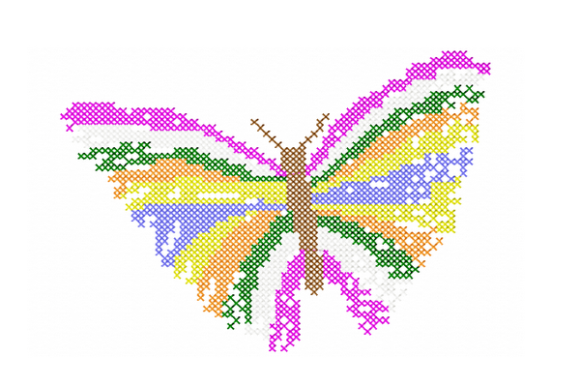
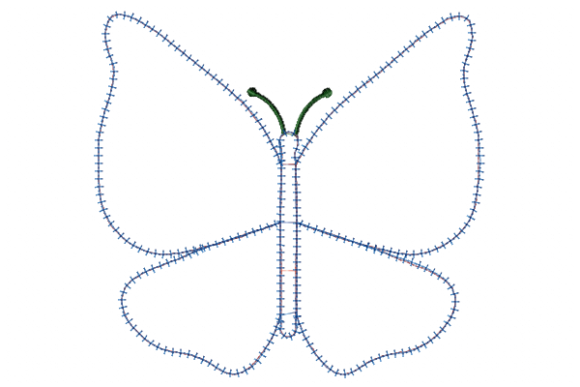
The immediate vibe of Butterfly Tattoo is modern yet timeless. It avoids the overly cartoonish look that plagues many bug-themed designs, opting instead for a stylized, graphic aesthetic that feels intentional. The layout suggests a balance between open space and detailed stitching, which is crucial for maintaining clarity. For embroidery designers and craft business owners, this visual personality is a asset. It feels sophisticated enough for boutique branding but approachable enough for a personalized gift.
The shape flows naturally, avoiding sharp, jagged corners that often cause thread breaks or puckering. This smoothness is vital when you are working with curved surfaces like caps or soft, stretchy fabrics. The design does not scream for attention; rather, it invites a closer look. This subtlety makes it an excellent candidate for customers who want custom apparel that feels high-end rather than novelty-driven.
Real-World Application: From Tote Bags to Sweatshirts
To truly evaluate a machine embroidery design, you must imagine it on actual products. I recently prepared a batch of canvas tote bags for a local market. The Butterfly Tattoo was my go-to choice for the center panel. On the sturdy cotton canvas, the design popped beautifully. The stitch density appeared sufficient to cover the fabric texture without creating a stiff, cardboard-like patch. Customers were drawn to the clean lines, and several asked if I could replicate the look on sweatshirt embroidery for their partners.
This versatility is where the design shines. It transitions well from a tote bag design to a statement piece on a hoodie. When I moved to knitwear, however, the rules changed. As the product description wisely notes, for embroidery on knitwear, be sure to use a stabilizer. I tested this on a medium-weight fleece. Without a proper cut-away stabilizer, the fabric pulled slightly around the edges of the wings. With the correct stabilization, the result was professional and durable. This is a critical lesson for any Etsy seller or small shop product creator: the file is only half the battle; your material choices define the finished product.
Performance on Challenging Fabrics
Not every project is straightforward. I pushed the design onto a thinner, textured linen to see how it handled a more delicate surface. Here, the detail level required careful monitoring. The satin stitch elements held up well, providing a nice sheen that contrasted with the matte fill stitch areas. However, on very thin fabric, I noticed that the darker thread colors showed through slightly less than expected, which is a good sign of adequate coverage.
For those considering this for baby embroidery, caution is key. While the design is charming, ensure that the back of the stitching is covered or softened, as sensitive skin can react to dense stitch areas. A soft backing or a lightweight fusible interfacing can make a huge difference in comfort for infant items.
Technical Considerations for the Serious Crafter
Before you commit to a large run of commercial embroidery, you must do your homework. I always advise testing the design on scrap fabric first. This allows you to check thread color contrast and inspect small details that might get lost in translation. For Butterfly Tattoo, I found that high-contrast thread combinations worked best. A dark thread on a light fabric highlighted the graphic nature of the wings, while monochromatic schemes offered a subtle, tonal look suitable for upscale home textiles.
One area to watch is the hoop size. While the design fits standard hoops, placing it too close to the edge of a smaller hoop can lead to distortion. Always confirm hoop size compatibility with your specific machine. Additionally, review the stitch density in your editing software. If your machine struggles with dense fills, you might need to adjust the underlay or reduce the density slightly to prevent puckering, especially on stretchy fabric.
It is also wise to test the design in black and white mockups. This strips away the distraction of color and lets you judge the structural integrity of the digitizing. If the design looks muddy in grayscale, it may rely too heavily on color changes rather than solid stitching techniques. Fortunately, Butterfly Tattoo maintained its clarity even without color, indicating strong foundational digitizing.
Commercial Viability and Brand Consistency
For digital product sellers and creative entrepreneurs, the value of a design lies in its marketability. This Bugs category item has broad appeal. It works for holiday embroidery, such as spring-themed gifts, or year-round nature-inspired collections. The professional finish enhances customer trust. When a buyer sees clean, crisp stitching with no loose threads or gaps, they perceive higher value. This directly impacts buyer engagement and repeat business.
However, always confirm licensing before selling finished items or digital products. While this is an original graphic, understanding the terms of use is essential for protecting your craft business. Whether you are creating an embroidered patch for a jacket or a decorative accent on a pillow cover, knowing your rights ensures you can scale your operations without legal worry.
Final Verdict
The Butterfly Tattoo is a solid addition to any embroidery designer’s library. It is not just a pretty picture; it is a functional asset that performs well across various fabrics when handled with care. Its strength lies in its adaptability and clean execution. For handmade product creators, it offers a reliable way to elevate simple items like aprons and kitchen towels into desirable goods. Just remember to respect the fabric, use the right stabilizer, and always test before you invest. With these precautions, this design can become a staple in your portfolio of successful embroidery projects.