Emojis: A Designer’s Review for Branded Merch
As an embroidery designer who has spent years digitizing files and consulting with small business owners, I approach every new machine embroidery design with a critical eye. It is not just about whether a pattern looks cute on a screen; it is about how it translates to fabric, how it holds up in the wash, and most importantly, how it serves the brand identity of the client using it. Today, I am reviewing Emojis, a design listed under Freebies in the Embroidery category, to determine its viability for commercial use.
The product description promises that this adorable embroidery will give your fabrics an extraordinary look. It suggests sewing this lovely embroidery design onto any fabric that needs a nice accent. For a hobbyist, this is encouraging. For a professional running a boutique or a café, we need to dig deeper. Does "adorable" translate to "professional"? Can this design carry the weight of a brand logo, or is it strictly decorative? Let us break down the potential of Emojis for small business merchandise and branded patch use.
First Impressions and Visual Personality
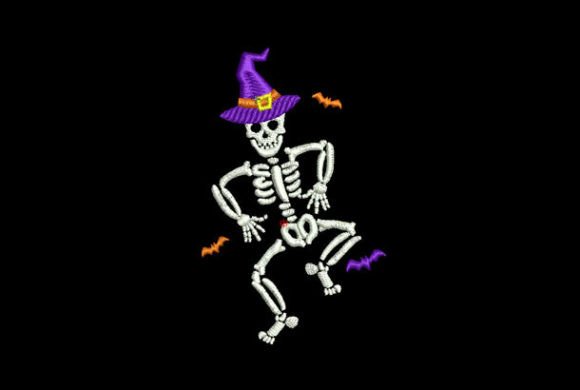
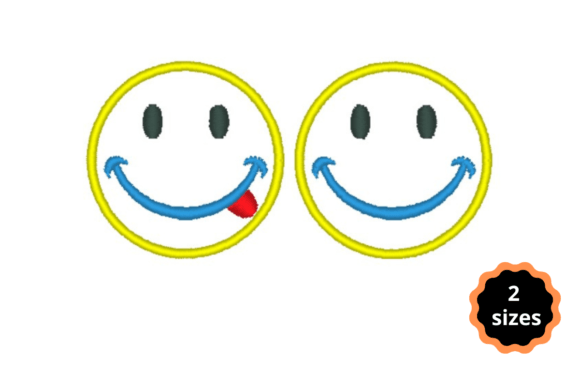
When I first loaded the preview for Emojis, the immediate impression was one of playfulness and modern accessibility. In the current market, brands are moving away from stiff, corporate aesthetics toward something more human and relatable. This design fits that trend perfectly. It feels friendly, bold, and inherently digital-native, which makes it an excellent choice for creative studios, pet brands, or trendy bakeries looking to connect with a younger demographic.
However, "playful" can sometimes border on "childish" if not handled correctly. The key to making Emojis work for a serious business is context. If you are running a law firm, this might not be the right fit. But for a handmade shop, an Etsy seller, or a local florist, this design adds a layer of approachability. It signals to customers that the brand is fun, modern, and attentive to current cultural trends. The visual personality is distinctively decorative yet clean, which is crucial when working with limited stitch counts on small items.
Real-World Applications for Small Business Merch
The versatility of a digital embroidery file like this lies in its application. Here is how I envision Emojis performing in real commercial embroidery projects:
- Embroidered Patches: This is perhaps the strongest use case. Creating a run of iron-on or sew-on patches allows businesses to add branding to existing inventory without re-manufacturing garments. A patch featuring Emojis can be placed on denim jackets, canvas bags, or even laptop sleeves, turning standard items into unique small business merch.
- Staff Uniforms and Aprons: For cafés and boutiques, staff apparel is a walking billboard. Using this design as a chest logo accent or a sleeve detail on aprons creates a cohesive team look. The apron embroidery adds a touch of personality that customers notice and appreciate, enhancing the overall service experience.
- Cap Embroidery: Caps are high-value retail items. Placing a simplified version of the Emojis design on the front panel of a dad hat or trucker cap can drive impulse buys. However, curved surfaces require careful digitizing to prevent distortion, so testing is essential.
- Tote Bag Design: Eco-friendly tote bags are staples for craft fairs and retail shops. A well-placed tote bag design using this motif can turn a simple utility item into a fashionable accessory that customers proudly use in public, extending brand reach.
Technical Considerations and Production Notes
While the aesthetic appeal is strong, the technical execution determines the quality of the finished product. The description notes that the machine embroidery design comes with multiple embr—likely meaning multiple formats or sizes. This is a positive sign, but it requires due diligence.
Before running a production batch, you must check the stitch density. High-density designs can cause puckering on lightweight fabrics like cotton tote bags or poly-blend uniforms. If the design is too dense, it may pull the fabric, ruining the clean look required for professional custom apparel. Conversely, if the density is too low, the backing stabilizer might show through, especially on dark uniforms.
Here are my practical notes for designers and shop owners considering this file:
- Test in Black and White First: Color can distract from structural issues. Stitch out the design in monochrome to check for gaps, overlaps, or registration errors.
- Verify Hoop Size Compatibility: Ensure the design fits within your standard hoop sizes. If you are doing cap embroidery, you need to confirm it fits the curved hoop constraints without hitting the seam.
- Check Thread Color Contrast: Emojis rely on specific colors for recognition. Ensure your thread library matches the intended vibrancy. Poor contrast can make the design look muddy on textured fabrics.
- Assess Fabric Texture: Test on the actual material you plan to use. Terry cloth towels require different stabilization than smooth poplin shirts. The fabric texture will influence how the stitches lay and how sharp the details appear.
- Use Proper Stabilizer: Do not skip this step. A cut-away stabilizer is often best for garments that will undergo frequent washing, ensuring the embroidered patch or direct stitch remains intact over time.
Brand Identity and Customer Trust
Using free resources like Emojis can be a double-edged sword for brand identity. On one hand, it lowers the barrier to entry for creating professional-looking assets. On the other, if every competitor uses the same free file, your brand loses uniqueness. To mitigate this, customize the application. Combine the design with unique thread colors, place it in an unexpected location, or pair it with custom text.
Consistency is key to building customer trust. If you use this design on your printable mockup marketing materials, ensure the physical handmade product matches that quality. A sloppy stitch-out can damage perceived value. However, when executed well, this design enhances visual consistency across your design assets, from social media graphics to physical tags.
Final Verdict for Commercial Use
Is Emojis ready for your next big order? Yes, but with caveats. It is an excellent asset for adding personality to commercial embroidery projects where a friendly, modern vibe is desired. It works exceptionally well for patches, caps, and casual apparel. However, it requires careful technical review. You must confirm the license terms explicitly allow for commercial use, as "Freebies" sometimes come with restrictions. Additionally, always request a test stitch on your specific fabric before committing to a large run.
For Etsy sellers, crafters, and boutique owners, this design offers a quick way to elevate plain goods into branded treasures. By paying attention to thread colors, stabilizer choice, and placement, you can transform a simple freebie into a premium component of your product line. Remember, the value is not just in the file itself, but in how professionally you apply it to create a memorable customer experience.